

Massive Flood Evacuations in Sindh: A Humanitarian Crisis Unfolding
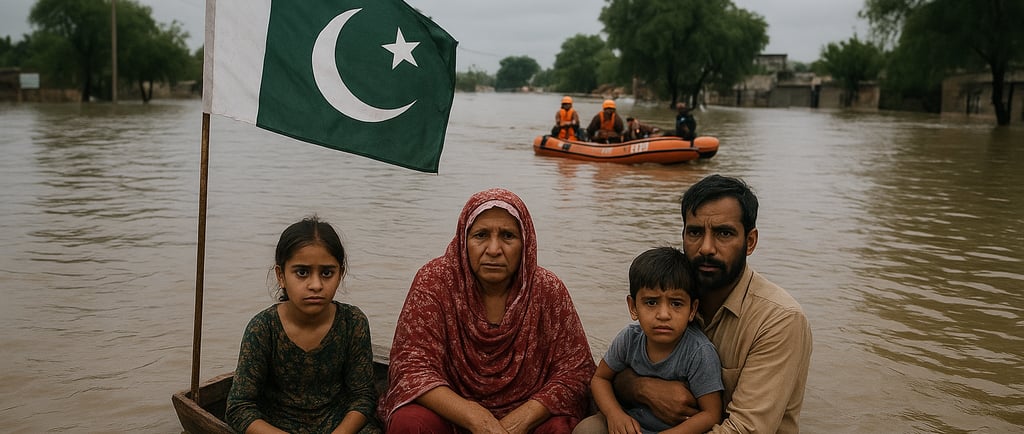
Sindh is once again on the edge of a major humanitarian crisis as authorities have evacuated over 100,000 residents from low-lying districts near the Indus River Basin. This emergency action comes after warnings of severe downstream flooding, triggered by heavy monsoon rains and water releases from India. The scale of displacement is staggering—entire villages have been emptied, families forced to abandon homes, livestock, and livelihoods in the face of rising waters. The flooding threat is not confined to Sindh alone; recent weeks have already seen Punjab reeling with more than 1.8 million affected people and over 900 lives lost. Now, Sindh is bracing for similar devastation, with relief camps being set up in Sukkur, Khairpur, and Larkana. However, overcrowding and limited supplies highlight the growing gap between needs and resources. Evacuees report shortages of clean drinking water, food, and medical facilities, raising fears of disease outbreaks in temporary shelters. Experts warn that these recurring floods are not just natural disasters but symptoms of a larger crisis tied to climate change, poor water management, and outdated infrastructure. Pakistan, despite contributing less than 1% to global greenhouse emissions, ranks among the most climate-vulnerable countries in the world. The Indus River, a lifeline for millions, now increasingly turns into a source of destruction when rains intensify beyond seasonal averages. The government has deployed rescue teams, boats, and helicopters, while NGOs are mobilizing aid on the ground. International organizations are also being urged to step in with relief support. Yet, many flood-hit citizens voice frustration over delayed warnings and insufficient rehabilitation plans, fearing they may be forgotten once waters recede. This evacuation highlights an urgent truth: Pakistan needs not only immediate flood relief but also long-term climate resilience strategies—from building stronger embankments and modern drainage systems to ensuring sustainable urban planning. Without such measures, the cycle of displacement, destruction, and despair will continue to repeat year after year, leaving millions vulnerable. The people of Sindh are now caught between survival and uncertainty. Their story is a powerful reminder that climate change is no longer a distant threat—it is here, devastating communities, testing resilience, and demanding urgent action.
Buraq blog
9/6/20251 min read
My post content
Explore
Stay updated with the latest entertainment and news.
Connect
Discover
info@buraqblog.com
+92 3358272791
© 2025. All rights reserved.