

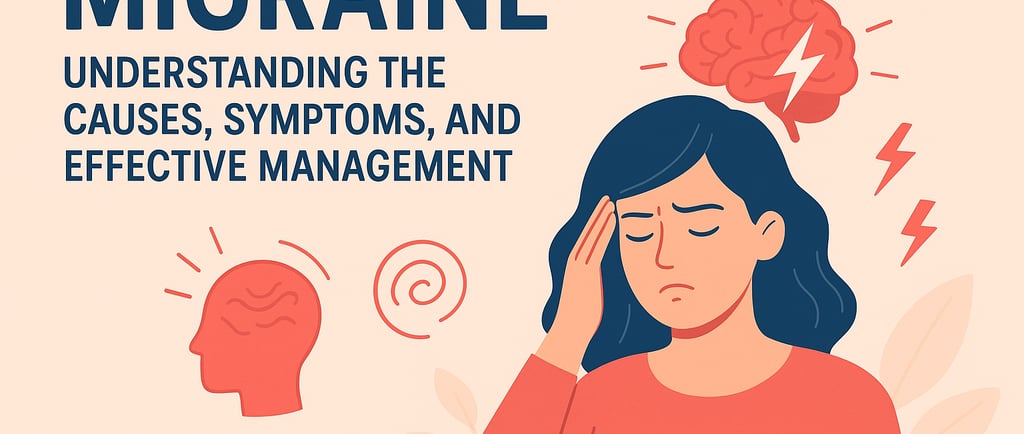
Migraine: Understanding the Causes, Symptoms, and Effective Management for a Better Life
Migraine is not just an ordinary headache but a complex neurological condition that impacts millions of people around the world, affecting their health, productivity, and overall quality of life. Unlike common headaches, migraines are usually intense, throbbing, and often one-sided, accompanied by additional symptoms such as nausea, vomiting, and sensitivity to light or sound. These attacks may last for hours or even several days, making it difficult for individuals to carry on with their daily routines. Researchers believe migraines result from abnormal brain activity affecting nerve signals, chemicals, and blood vessels in the brain, though the exact cause remains unclear. However, many common triggers have been identified, including hormonal changes, stress, lack of proper sleep, consumption of alcohol or caffeine, weather changes, and even specific foods such as aged cheese, chocolate, or processed items. Women are more likely to experience migraines due to hormonal fluctuations related to menstruation, pregnancy, or menopause. Migraines usually progress through different stages. The first stage, called prodrome, may occur hours or days before the attack, showing signs like mood swings, fatigue, or food cravings. The second stage, aura, is experienced by some patients and involves visual disturbances like flashing lights, blind spots, or zigzag lines. The third stage is the attack phase, where the actual migraine pain occurs, typically lasting between 4 and 72 hours, causing unbearable throbbing pain and sensitivity to light, sound, and even smell. The final stage is postdrome, which often leaves individuals feeling drained, weak, or mentally confused even after the pain subsides. Managing migraines effectively requires a holistic approach since there is currently no permanent cure. Doctors often recommend a combination of medications and lifestyle adjustments. Pain-relieving drugs such as over-the-counter medicines may work for mild attacks, while stronger prescription medicines like triptans are used for severe cases. Preventive medications, including beta-blockers, antidepressants, or anti-seizure drugs, may also be prescribed to reduce the frequency of attacks. Apart from medical treatment, lifestyle management plays a vital role. Regular exercise, a consistent sleep routine, staying hydrated, and maintaining a balanced diet can significantly lower the chances of experiencing migraine episodes. Stress management techniques like yoga, meditation, and deep-breathing exercises help calm the nervous system and reduce triggers. Many doctors also recommend patients maintain a migraine diary to identify patterns and triggers, making it easier to avoid factors that worsen the condition. In recent years, advanced treatments such as Botox injections, acupuncture, and nerve stimulation therapies have shown promising results for people who suffer from chronic and severe migraines. Although living with migraines can be challenging, awareness, early diagnosis, and proper management make a big difference. By consulting healthcare professionals, making mindful lifestyle choices, and learning to identify triggers, individuals can regain control over their lives. Migraines may not have a definitive cure yet, but with medical support, stress management, and preventive care, people can reduce the frequency and intensity of attacks, ultimately improving their quality of life and well-being.
Buraq blog
9/1/20251 min read
My post content
Explore
Stay updated with the latest entertainment and news.
Connect
Discover
info@buraqblog.com
+92 3358272791
© 2025. All rights reserved.